
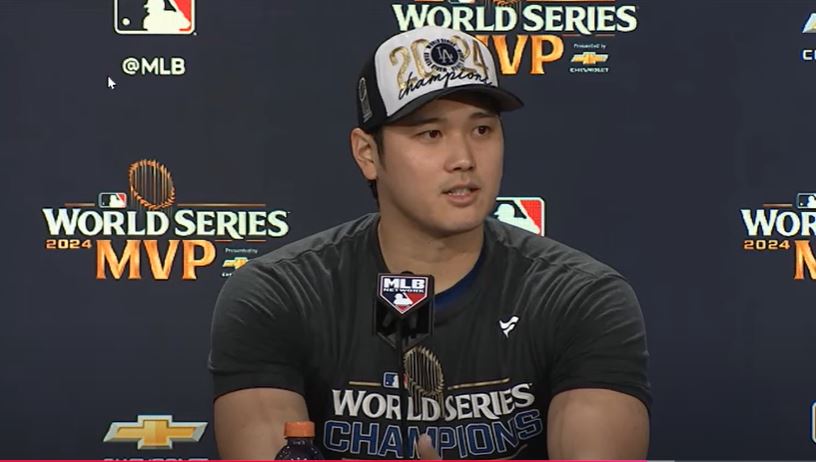
Shohei Ohtani’s recent deal with the Los Angeles Dodgers has set a new benchmark in sports contracts, totaling USD$700 million over ten years. This contract, which makes Ohtani the highest-paid athlete in North American team sports, includes significant deferred payments designed to manage the Dodgers’ financial commitments while maximizing flexibility under the luxury tax cap. ( A luxury tax in professional sports is a surcharge put on the aggregate payroll of a team to the extent to which it exceeds a predetermined guideline level set by the league. The ostensible purpose of this “tax” is to prevent teams in major markets with high incomes from signing almost all of the more talented players and hence destroying the competitive balance necessary for a sport to maintain broad fan interest across all teams ) Notably, Ohtani will receive only $2 million annually during the contract’s active years, with the remaining $680 million deferred, starting in 2034 and continuing over a ten-year period. This innovative structure allows the Dodgers to allocate more funds toward other players, improving their chances of securing a competitive roster around Ohtani.
The financial underpinnings of this deal are also supported by the Dodgers’ $8.35 billion SportsNet LA broadcasting deal, a revenue stream that enables them to make high-profile signings. Additionally, Ohtani’s global appeal, particularly in Japan, is expected to boost the Dodgers’ brand worldwide, making him a valuable asset beyond his on-field contributions. The agreement also highlights the Dodgers’ renewed focus on major signings after a period of frugal spending to stay within the luxury tax threshold.
Comparing Ohtani’s contract with deals in other sports, it surpasses the $674 million Lionel Messi received from FC Barcelona between 2017 and 2021 and the $679 million that Kylian Mbappé would earn with PSG by 2025. In contrast, Formula 1 drivers like Lewis Hamilton and Max Verstappen typically have shorter contracts with substantial annual earnings but lack the long-term, deferred payment structure seen in Ohtani’s contract. Similarly, soccer stars such as Cristiano Ronaldo often receive shorter, higher annual sums without extensive deferment but rely heavily on endorsements, which form a smaller portion of Ohtani’s total earnings due to the unique nature of MLB contracts and the Dodgers’ structured payout.
The Dodgers’ approach with Ohtani not only secures a once-in-a-generation player but also cements the team’s position as a top international brand, appealing to fans in new markets and establishing Los Angeles as a global baseball hub.
To fully understand the Shohei Ohtani-Los Angeles Dodgers contract, it helps to break down three negotiation concepts: Zone of Possible Agreement (ZOPA), Best Alternative to a Negotiated Agreement (BATNA), and the negotiation interests for both parties. These terms provide insight into how Ohtani and the Dodgers approached this historic deal.
Zone of Possible Agreement (ZOPA)
The ZOPA represents the range within which an agreement could be reached that meets both parties’ needs. In this case, the ZOPA for Ohtani and the Dodgers likely ranged between $500 million and $800 million over a span of ten years. The final figure of $700 million, including deferred payments, allowed both parties to meet their financial and structural needs: Ohtani gained an unprecedented total contract value, while the Dodgers managed cash flow over time due to the deferred payments structure. This setup allowed them to stay within their luxury tax thresholds, an essential factor for ongoing roster flexibility and competitive positioning
Best Alternative to a Negotiated Agreement (BATNA)
For Ohtani, the BATNA involved exploring offers from other MLB teams, such as the New York Yankees and the San Francisco Giants, who reportedly expressed strong interest. If the Dodgers’ offer didn’t meet his expectations for a high total payout, favorable terms, or the opportunity to play for a title-contending team, Ohtani could have chosen to sign with another high-budget team with similar postseason prospects. Conversely, the Dodgers’ BATNA involved pursuing other top free agents or high-profile international players if they failed to secure Ohtani. His exceptional two-way skills—both as a pitcher and hitter—make him a rarity, but the Dodgers likely had backup plans to reinforce their roster had Ohtani chosen another team
Negotiation Interests
The interests driving Ohtani and the Dodgers in this negotiation extend beyond salary. Here are some of the main interests of both parties:
- Ohtani’s Interests:
- Financial Security and Legacy: Ohtani sought a contract that secured his financial future and matched his historical status as a generational talent. By negotiating a $700 million deal, he achieved the highest-ever MLB contract, cementing his legacy both financially and in baseball history.
- Team Competitiveness: Given his experience with the Los Angeles Angels, where he rarely reached the playoffs, Ohtani was likely interested in joining a strong contender. The Dodgers, perennial postseason contenders, met this interest, offering him a chance to showcase his skills on a world stage and pursue a World Series title
- Global Exposure: Ohtani has significant appeal in Japan and beyond. The Dodgers, with their international fan base and media reach, could amplify his brand worldwide, aligning with Ohtani’s interest in expanding his influence globally.
- Dodgers’ Interests:
- Securing a Unique Talent: As a dual-threat player, Ohtani provides value as both a top-tier pitcher and hitter. Signing him helps the Dodgers not only strengthen their roster but also secure a star who draws fans globally, increasing ticket sales, merchandise revenue, and TV viewership.
- Financial Flexibility: The deferred payment structure aligns with the Dodgers’ interest in maintaining flexibility under MLB’s luxury tax. This setup ensures they can allocate funds to additional players without breaching tax thresholds, crucial for a high-spending team aiming to remain competitive.
- Expanding International Reach: By signing Ohtani, the Dodgers expand their appeal in Japan and among international fans. The Dodgers’ brand can grow alongside Ohtani’s, building long-term value for the franchise in global markets, particularly in Asia.
Summary
In negotiating the contract, Ohtani and the Dodgers found alignment within their ZOPA, finalizing a $700 million, 10-year deal with extensive deferred payments that suited both parties’ BATNAs and interests. This creative deal not only fulfills Ohtani’s desire for financial security, legacy, and competitiveness but also serves the Dodgers’ goals of bolstering their roster while building an international fan base and managing luxury tax concerns effectively. This contract exemplifies a strategic approach in sports negotiations and a good model balancing immediate and future needs on both sides. To improve your negotiation skills, why not attend Negotiation Today’s negotiation course – The Art of Negotiation Masterclass, certainly one of the best negotiation courses in Singapore.
Article by C J Chan